0
Skip to Content
VIKTOR PATOKA
Galleries
About
Contact
English
VIKTOR PATOKA
Galleries
About
Contact
English
Galleries
About
Contact
English
Back
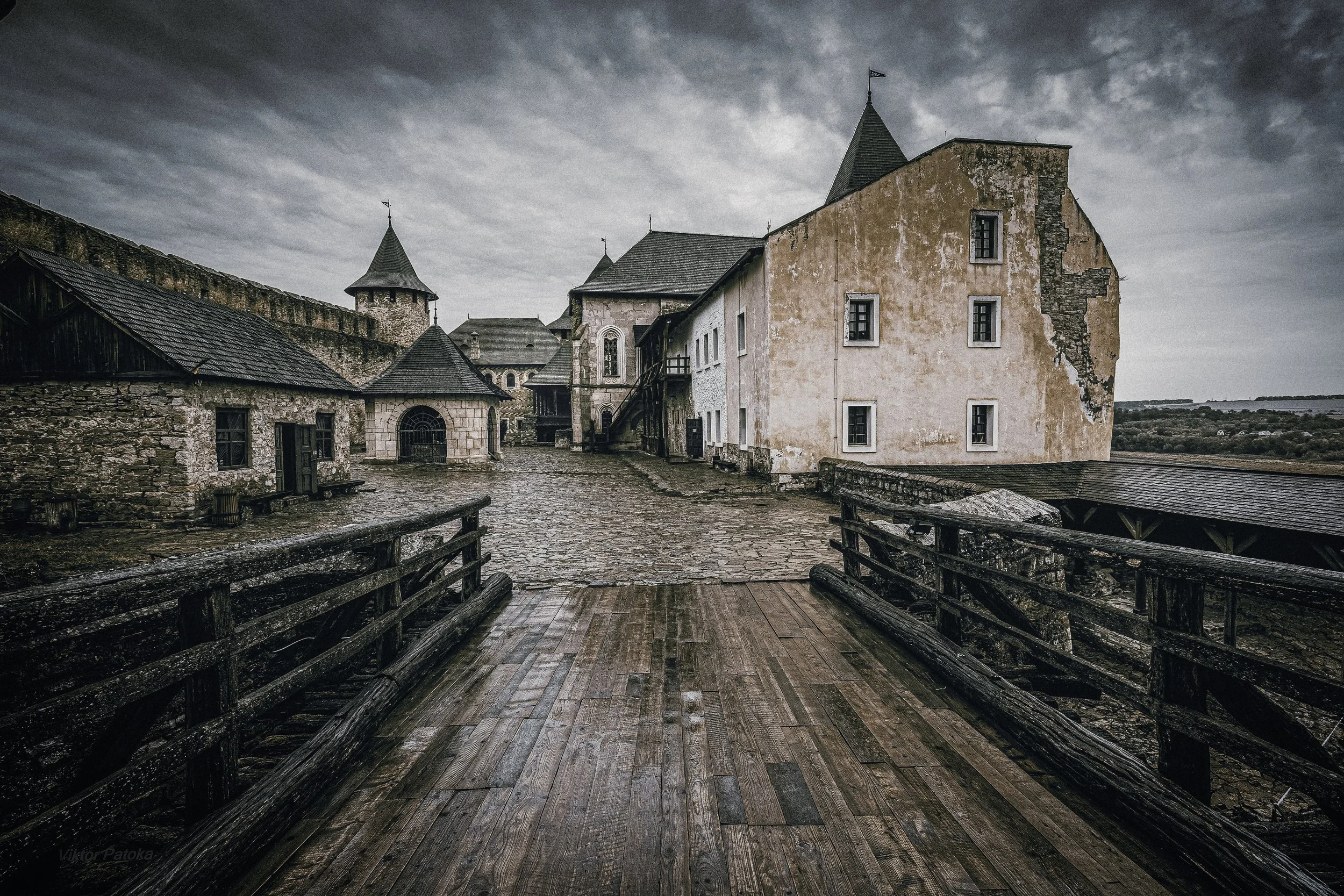
Khotyn Fortress — inner courtyard. Located on the right bank of the Dniester River in Chernivtsi Oblast, Ukraine. The present stone fortress was largely formed during the XIII–XV centuries and became an important defensive stronghold on the routes be View fullsize

Khotyn Fortress — inner courtyard. Located on the right bank of the Dniester River in Chernivtsi Oblast, Ukraine. The present stone fortress was largely formed during the XIII–XV centuries and became an important defensive stronghold on the routes between Central and Eastern Europe.
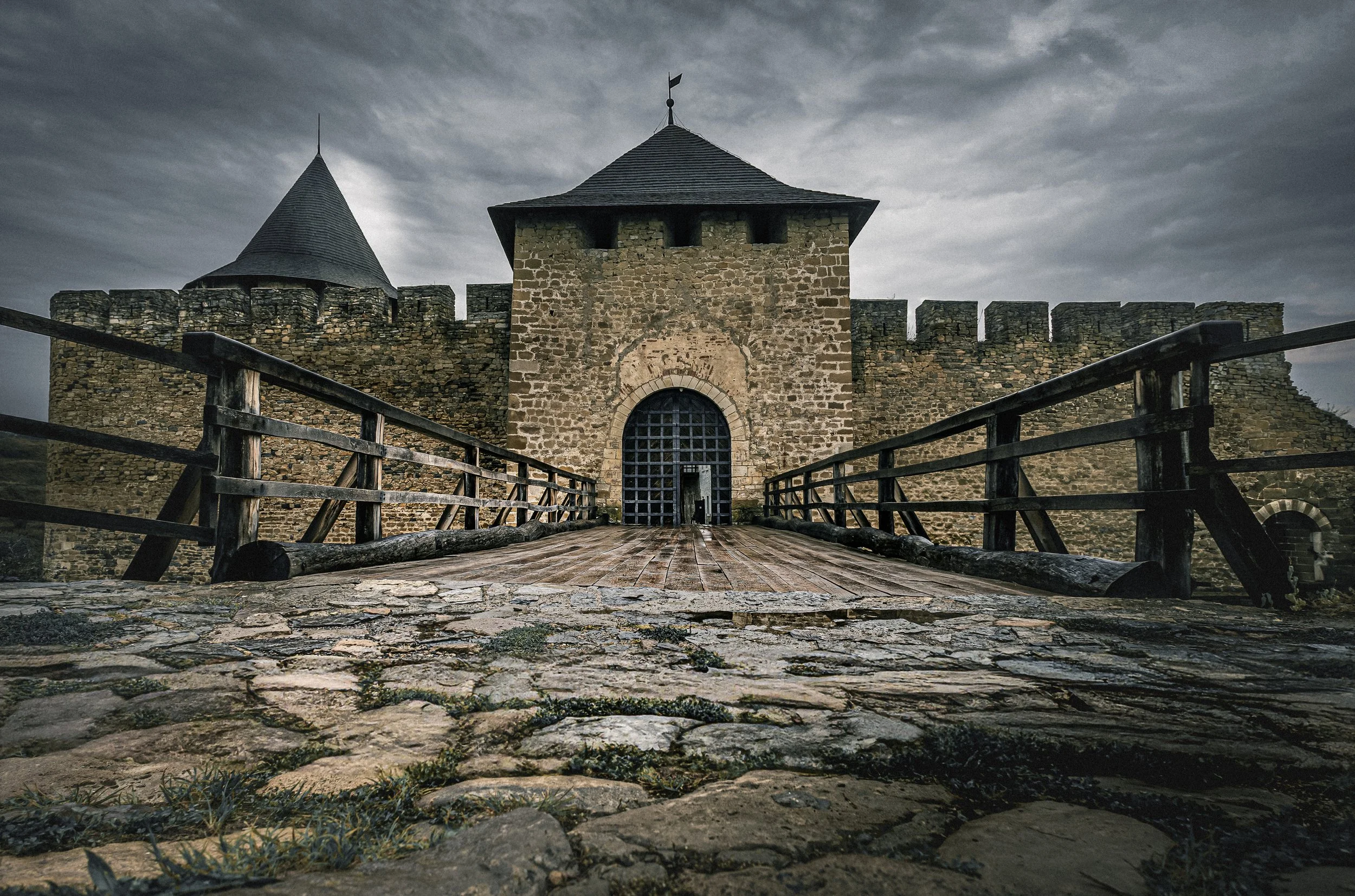
Entrance Gate. Tower of Khotyn Fortress — the main entrance to the medieval stronghold, reached by a bridge across the defensive moat. The present gate tower was built around 1540–1544. View fullsize

Entrance Gate. Tower of Khotyn Fortress — the main entrance to the medieval stronghold, reached by a bridge across the defensive moat. The present gate tower was built around 1540–1544.
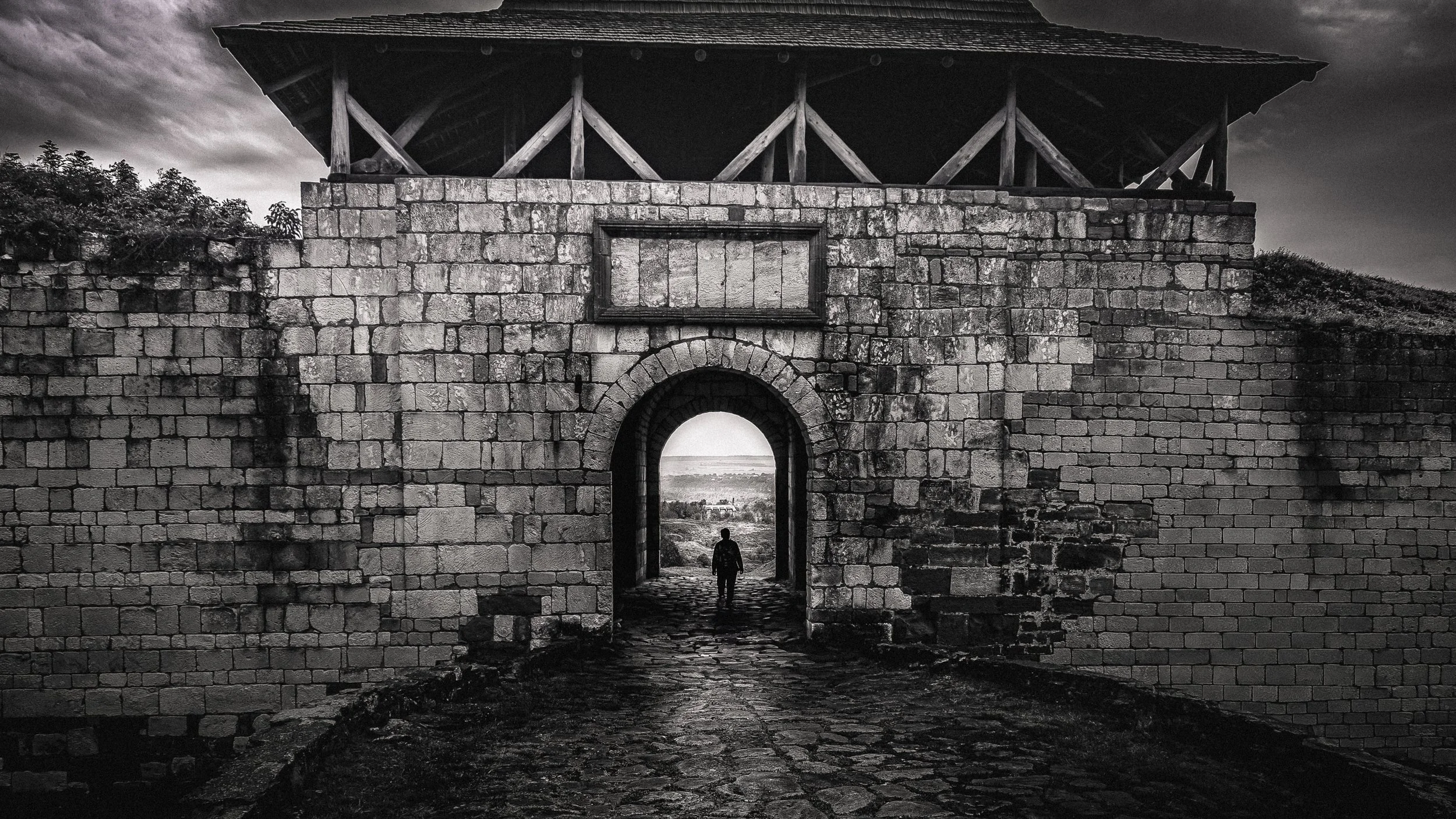
Bender Gate — inner view. One of the historic gates of Khotyn Fortress, built in the XVIII century. It formed part of the outer defensive system and controlled access to the fortress from the Bender direction. View fullsize

Bender Gate — inner view. One of the historic gates of Khotyn Fortress, built in the XVIII century. It formed part of the outer defensive system and controlled access to the fortress from the Bender direction.
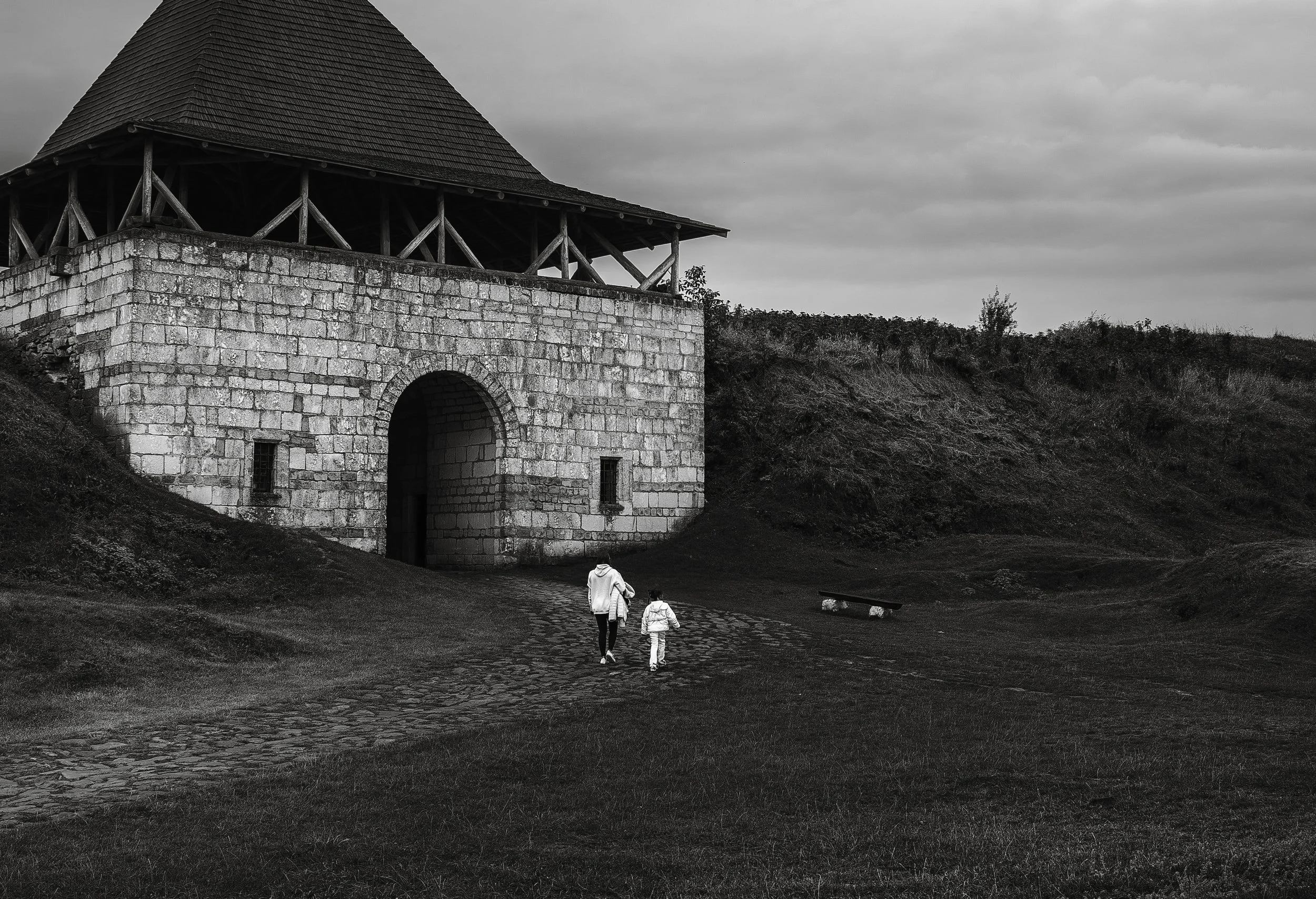
Bender Gate — outer view. The XVIII-century gate formed part of the outer defensive line of Khotyn Fortress and controlled one of the main approaches to the complex. View fullsize

Bender Gate — outer view. The XVIII-century gate formed part of the outer defensive line of Khotyn Fortress and controlled one of the main approaches to the complex.
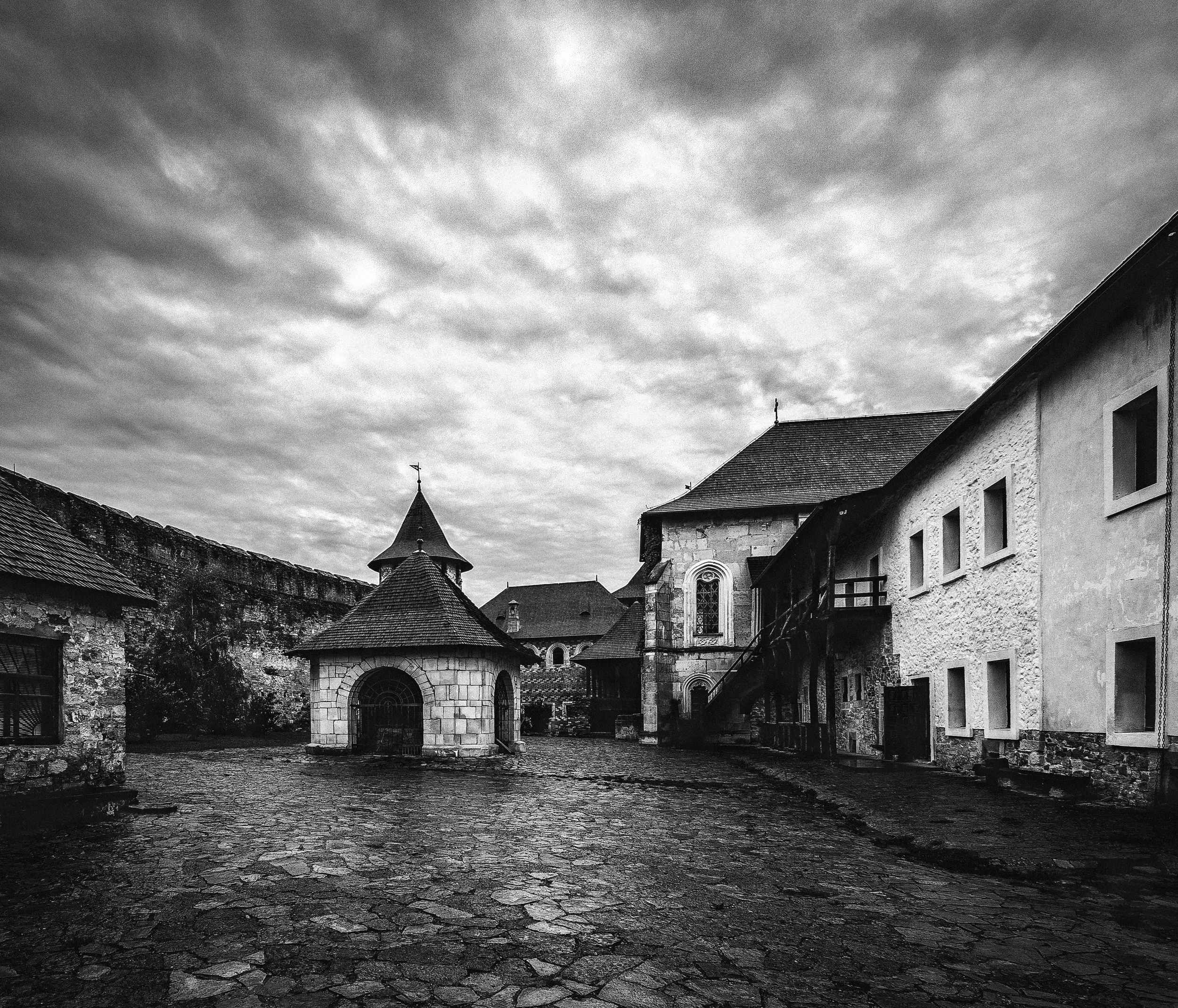
Khotyn Fortress — castle courtyard and well. The castle well provided an independent water supply during sieges and was one of the essential elements of life inside the fortress. The surviving well dates from the XV–XVIII centuries. View fullsize

Khotyn Fortress — castle courtyard and well. The castle well provided an independent water supply during sieges and was one of the essential elements of life inside the fortress. The surviving well dates from the XV–XVIII centuries.
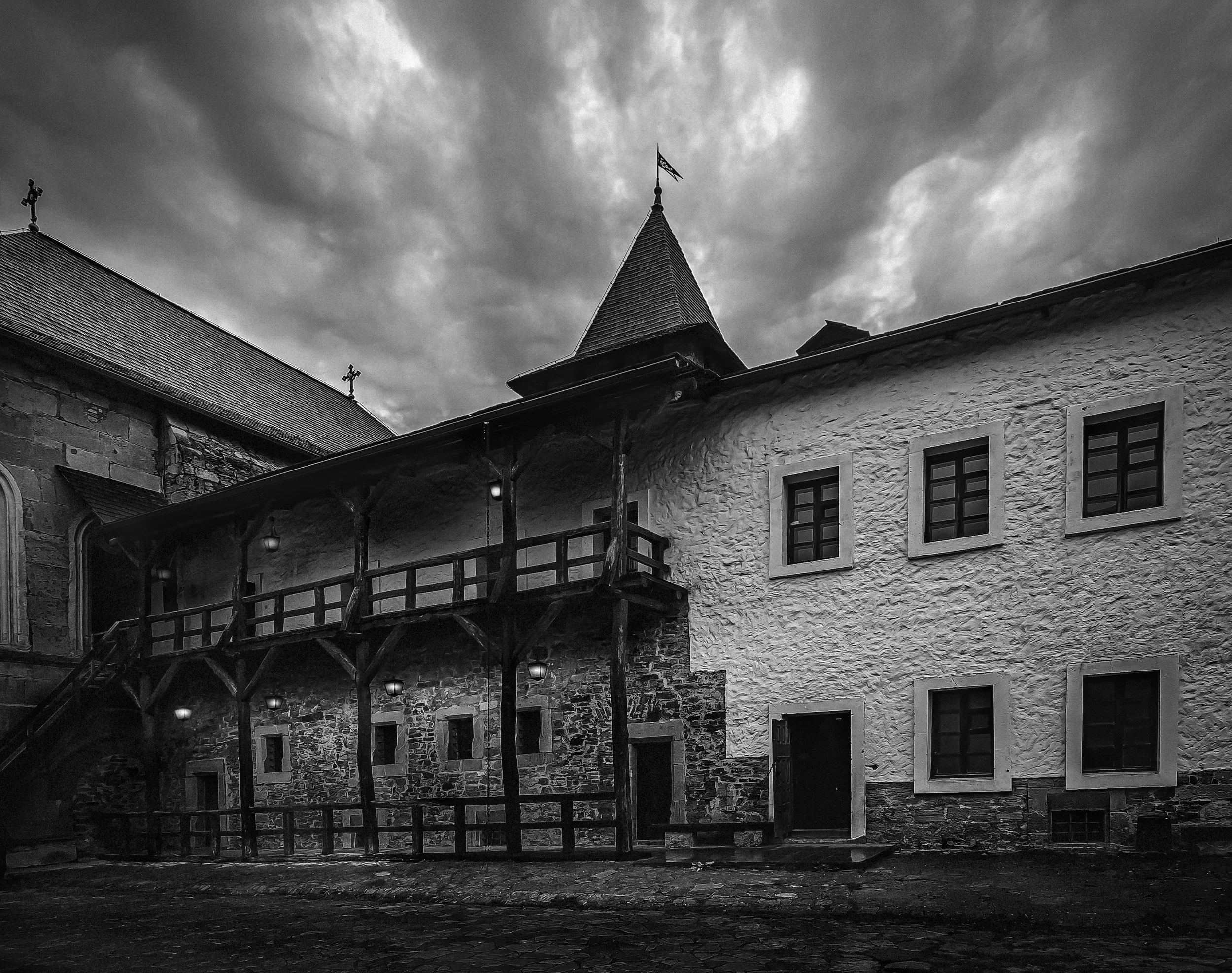
Khotyn Fortress — castle barracks. The barracks formed part of the military infrastructure within the castle and were later used as an artillery arsenal. The surviving structure incorporates elements dating from the XV–XIX centuries. View fullsize

Khotyn Fortress — castle barracks. The barracks formed part of the military infrastructure within the castle and were later used as an artillery arsenal. The surviving structure incorporates elements dating from the XV–XIX centuries.

Khotyn Fortress — inner courtyard. Located on the right bank of the Dniester River in Chernivtsi Oblast, Ukraine. The present stone fortress was largely formed during the XIII–XV centuries and became an important defensive stronghold on the routes be
Entrance Gate. Tower of Khotyn Fortress — the main entrance to the medieval stronghold, reached by a bridge across the defensive moat. The present gate tower was built around 1540–1544.
Bender Gate — inner view. One of the historic gates of Khotyn Fortress, built in the XVIII century. It formed part of the outer defensive system and controlled access to the fortress from the Bender direction.
Bender Gate — outer view. The XVIII-century gate formed part of the outer defensive line of Khotyn Fortress and controlled one of the main approaches to the complex.
Khotyn Fortress — castle courtyard and well. The castle well provided an independent water supply during sieges and was one of the essential elements of life inside the fortress. The surviving well dates from the XV–XVIII centuries.
Khotyn Fortress — castle barracks. The barracks formed part of the military infrastructure within the castle and were later used as an artillery arsenal. The surviving structure incorporates elements dating from the XV–XIX centuries.